Malwarebytes anti-malware для windows
Содержание:
- Mobile spyware
- Как Malware попадает на компьютеры
- Безопасность Malware
- Getting help if you have been scammed
- Как защититься от Malware и хакеров
- Полное описание
- What do I do if infected?
- Что делает malware?
- Приложения и плагины Malware
- What is spyware?
- Who do spyware authors target?
- Что такое Malware и почему его нужно удалять
- ВИДЕО: Сотрудники МЧС взламывают дверь
- Types of Trojans
- Основные возможности программы Malwarebytes Anti-Malware
- How can I protect myself from malware?
- What is cybersecurity?
- How does malware affect my business?
- Types of adware
- Следы Malware в работе вашей системы
- How do I get malware?
Mobile spyware
Also, it’s not just consumers that mobile spyware criminals target. If you use your smartphone or tablet in the workplace, hackers can turn their attack to your employer organization through vulnerabilities in mobile devices. Moreover, your corporation’s incident response team may not detect breaches that originate through a mobile device.
Spyware breaches on smartphones commonly occur in three ways:
- Unsecured free wi-fi, which is common in public places such as airports and cafes. If you log onto an unsecured network, the bad guys can see everything you do while connected. Pay attention to warning messages your device may give you, especially if it indicates that the server identity cannot be verified. Protect yourself by avoiding such unsecured connections.
- Operating system (OS) flaws, which open up exploits that could let attackers infect a mobile device. Smartphone manufacturers frequently release OS updates to protect users, which is why you should install updates as soon as they are available (and before hackers try to infect out-of-date devices).
- Malicious apps, which hide in seemingly legitimate applications, especially when they are downloaded from websites or messages instead of an app store. Here it’s important to look at the warning messages when installing applications, especially if they seek permission to access your email or other personal information. Bottom line: It’s best to stick to trusted sources for mobile apps and avoid any third-party apps.
Как Malware попадает на компьютеры
Злоумышленники используют:
- Уязвимости в операционной системе;
- Уязвимости установленного программного обеспечения;
- Дыры в сетевой безопасности;
- Социальную инженерию.
Самые ценные уязвимости так называемые «0-day» (нулевого дня). Это бреши в безопасности, известные только тому хакеру, который их обнаружил, т.е. над их исправлением ещё никто даже не думает. Но большинство хакеров используют уже известные дыры, рассчитывая на множество людей с устаревшим ПО и необразованность.
Уязвимости ОС Windows и программ позволяют злоумышленнику выполнить произвольный код, и тем самым загрузить тело вируса в компьютер. Открытые сетевые порты дают прямой доступ к сетевым интерфейсам. Социальная инженерия – это один из самых эффективных способов заражения вирусами. Сюда относятся:
- подставные сайты (фишинг);
- самостоятельный запуск заражённых программ, скаченных из интернета;
- сёрфинг по сомнительным сайтам;
- клики на многообещающие заголовки.
Безопасность Malware
Однозначным плюсом Malware является хорошая репутация его производителей. Например, антивирус отметил в своём рейтинге журнал «PCmag». Так, он занял 2-е место в категории “Лучший антивирус для дома за 2019-й год”. Также Malwarebytes назвали лучшей компанией по обеспечению безопасности. Их корпоративный антивирус признали “Лучшим решением для бизнес-безопасности” Computing Security Awards за 2017-й год. Кроме того, в самой антивирусной программе нет функции передачи подозрительных файлов в облачный сервис провайдера.
Тем не менее, и у Malware есть свои слабости. К примеру, уязвимости были обнаружены в ходе одного из исследований антивирусных программ. Malware вошёл в число сервисов, в которых были обнаружены потенциально опасные проблемы.
Getting help if you have been scammed
Getting scammed is one of the worst feelings to experience. In many ways, you feel like you have been violated and are angry to have let your guard down. Perhaps you are even shocked and scared, and don’t really know what to do now. The following tips will hopefully provide you with some guidance.
If you already let them in
- Revoke remote access (if unsure, restart your computer). That should cut the remote session and kick them out of your PC.
- Scan your computer for malware. The miscreants may have installed password stealers or other Trojans to capture your keystrokes. Use a program such as Malwarebytes to quickly identify and remove threats.
- Change all your passwords. (Windows password, email, banking, etc.)
In some cases (i.e., you did not pay or called them names), scammers will seek revenge on your machine. Here are some things they might try and what to do to recover from them:
Master password lock out
There are various “hacks” to reset that password. One method is to use a Linux boot CD to mount Windows and then use the chntpw utility. It is described in this Ask Ubuntu page.
Missing software drivers
First, try to do a System Restore. If it fails, you should be able to reinstall them by going to the manufacturer’s website and downloading the appropriate driver.
Missing files
First, try to do a System Restore. If it is not available, check for backups you may have made and stored somewhere else. As a last resort, there are programs that can scrape your hard drive and attempt to recover the missing files.
If you already paid
- Contact your financial institution/credit card company to reverse the charges and keep an eye out for future unwanted charges.
- If you gave them personal information such as date of birth, Social Security Number, full address, name, and maiden name, you may want to consult the FTC’s website and report identity theft.
Как защититься от Malware и хакеров
Чтобы «не попасться на удочку» хакеров нужно следовать хотя бы базовым правилам безопасности в сети. Первым делом убедитесь, что компьютер защищён антивирусной программой. В последнее время активно развивается и получает многочисленные награды за скорость работы и эффективность обнаружения угроз антивирус Malwarebytes, отзывы о нем вы найдете по этой ссылке. Стоит отметить, что ПО Malwarebytes также сканирует на потенциально нежелательные приложения (PUP) и потенциально нежелательную модификацию (PUM), правда это требует дополнительных ресурсов процессора.
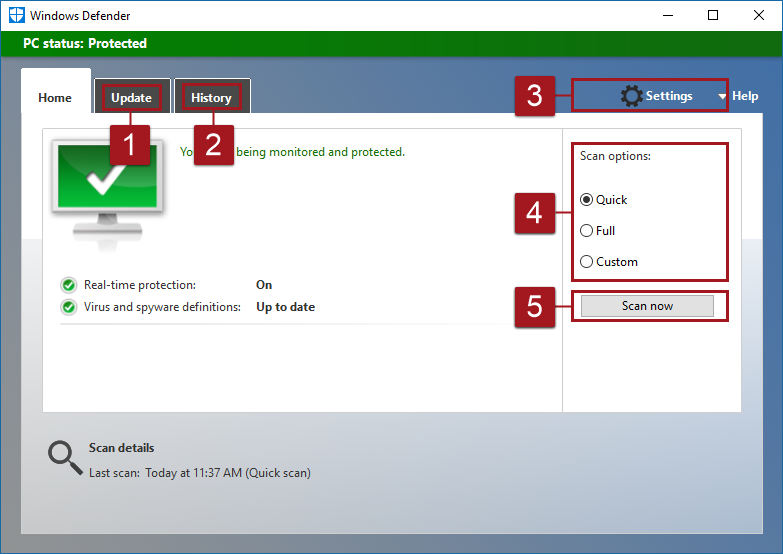
Веб-сайты, при посещении, проверяются на наличие вредоносных скриптов даже без установки дополнительных расширений в браузер. Хотя и в Windows 10 уже встроен приличный антивирус Windows Defender, но для улучшенной защиты, а также для Windows XP/7/8.1, лучше установить дополнительную защиту.
Включайте брандмауэр, хотя бы встроенный в Windows 7/8/10. Брандмауэр закрывает порты, чтобы хакеры «не увидели» компьютер в сети и не смогли получить доступ к уязвимостям. Большинство антивирусного ПО имеют собственный продвинутый брандмауэр и заменяют им встроенный в Windows. Даже на настройках «по умолчанию» брандмауэр надёжно защищает компьютер от сетевых атак.
Устанавливайте обновления ОС Windows, особенно касающиеся безопасности, и другого используемого ПО. Думайте головой, не кликайте по зазывающим заголовкам на неизвестных вам сайтах, и особенно в электронных письмах, скачивайте программы только с официальных источников, не вставляйте в компьютер чужие флешки без включённого антивируса, не высылайте пароли по требованию «администрации сайта» и будете в безопасности.
Полное описание
Пользуясь программой Malwarebytes Anti-Malware, можно обеспечить надлежащий уровень средств защиты для вашего компьютера от всевозможных видов вредоносного ПО. Программа блокирует сотни самых опасных троянов, руткитов, вредоносных веб-сайтов. Вы останетесь довольны скоростью работы утилиты, а также возможностью оперативно формировать список игнорирования при подготовке к сканированию.
После завершения диагностики ОС, Malwarebytes Anti Malware выведет подробную информацию о результатах проведенной работы, вы сможете вручную удалять любые подозрительные программы, троянсские модули и пр., либо выполнить автоматическую очистку. Последняя версия позволяет использовать преимущество двух режимов сканирования, а также указывать требуемый диск для проверки. Использовать командную строку и прочие неудобные средства управления не придется. Разработчики сделали не только удобный пользовательский интерфейс, но и реализовали интеграцию в контекстное меню ОС персонального компьютера.
What do I do if infected?
If you suspect adware has compromised your Mac or Windows PC, there are a few steps you can take to remedy the
infection. First, back up your files, regularly. You can try to remove the adware through the pertinent utility on
your operating system (i.e., Add/Remove on the Windows platform). But this requires that you can identify the
adware program’s name, or that the adware doesn’t have a Resuscitator, which are files designed to
bring a program back to life after an uninstall.
“For a deeper dive, read How to remove adware from your PC and How to remove adware from your Mac over at Malwarebytes Labs. ”
Что делает malware?
Вред, который вредоносная программа может нанести устройству, зависит от ее типа. Каждая из них может по-своему проникать, распространяться и заражать систему, преследую конкретные цели.
Троян. Названный в честь знаменитого троянского коня, который действует точно так же. Троян проникает в систему, замаскированную под законное программное обеспечение, а затем работает в качестве шлюза для других вредоносных программ.

Червь. Черви похожи на троянов в том, что они также используются для создания бэкдоров для последующего проникновения других вредоносных программ. Но в отличие от троянов, черви могут иметь и другие цели, например, самокопирование, размножение и захват всего жесткого диска.
Шпионская программа. Как следует из названия, она используется для шпионажа. Эту программу трудно обнаружить, т.к. она работает в фоновом режиме, тихо собирая информацию о пользователе. Шпионская программа отслеживает историю просмотров, имена пользователей, пароли, а также информацию о банковских картах, которая впоследствии отправляется злоумышленнику.

Шпионская программа маскируется под Firefox
Рекламная программа. Adware очень раздражает, но не всегда опасна. Она может быть использована для сбора данных о пользователе и продажи их тому, кто больше заплатит. Но главное ее назначение – показывать пользователям рекламу, которой очень много. Adware может менять домашнюю страницу в браузере, перенаправлять на случайные сайты, показывать всплывающие окна, устанавливать плагины на панели инструментов – и все это она делает без разрешения.

Вирус-вымогатель. Злоумышленники используют эту вредоносную программу для блокировки всех файлов на компьютере жертвы до тех пор, пока она не заплатит выкуп. Обычно вымогатель попадает в систему через фишинговое электронное письмо. Когда вы открываете его и нажимаете на ссылку, программа автоматически устанавливается на устройство. Обычно пользователь ничего не замечает, пока не становится слишком поздно.

Ботнет. Когда определенная вредоносная программа заражает ваше устройство, оно становится частью роботизированной сети – бот-сети. Хакеры используют бот-сети для проведения крупномасштабных кибератак, таких как рассылка спама или DDoS-атаки. Как только устройство заражается, оно передает вредоносную программу на другие устройства в сети, тем самым делая сеть еще крупнее. Десятки или даже сотни тысяч устройств могут составлять одну бот-сеть.

Вирус. Это самый распространенный тип вредоносных программ. Главное отличие состоит в том, что вирус не является автономной программой – для работы ему необходимо прикрепить себя к законному программному обеспечению. Ущерб, который вирус наносит системе или устройству, может быть разный: от создания надоедливых всплывающих окон до уничтожения жесткого диска или кражи данных пользователя.
Приложения и плагины Malware
У Malware нет плагина, зато антивирус доступен в виде приложений для компьютера и мобильного устройства. В первом случае речь идёт о таких операционных системах, как Windows, MacOS и Chromebook. А вот мобильное приложение можно установить только на Android.
Что касается версии для мобильных устройств, она представлена двумя тарифами: бесплатным и премиум. Бесплатная версия в точности повторяет десктопный аналог. Платная же дополнительно включает антифишинг, проверку приватности и антирекламу. Иными словами, Malware Premium определяет приложения, которые собирают данные о пользователе и запрашивают местоположение. Антиреклама позволяет найти и удалить ПО, внедряющее и показывающее рекламу.
What is spyware?
No big surprise—spyware is sneaky. It finds its way on to your computer without your knowledge or permission, attaching itself to your operating system. You might even inadvertently permit spyware to install itself when you agree to the terms and conditions of a seemingly legitimate program without reading the fine print.
Whatever way spyware manages to get on your PC, the method of operation is generally the same—it runs quietly in the background, maintaining a secret presence, collecting information or monitoring your activities in order to trigger malicious activities related to your computer and how you use it. And even if you discover its unwelcome presence on your system, Spyware does not come with an easy uninstall feature.
Block spyware from tracking your activity
Remove and prevent spyware from stealing your sensitive data. Try Malwarebytes Premium free for 14 days.
“Spyware runs quietly in the background, collecting information.”
Unlike some other types of malware, spyware authors do not really target specific groups or people. Instead, most spyware attacks cast a wide net to collect as many potential victims as possible. And that makes everyone a spyware target, as even the slightest bit of information might find a buyer.
“Spyware attacks cast a wide net to collect as many potential victims as possible.”
Information obtained through stolen documents, pictures, video, or other digital items can even be used for extortion purposes.
So, at the end of the day, no one is immune from spyware attacks, and attackers usually care little about whom they are infecting, as opposed to what they are after.
Что такое Malware и почему его нужно удалять
Краткая вырезка из Википедии:
Вредоносная программа (буквальный перевод англоязычного термина Malware, malicious — злонамеренный и software — программное обеспечение, жаргонное название — «малварь») — злонамеренная программа, то есть программа, созданная со злым умыслом и/или злыми намерениями.
По сути Malware является этакой мини-программой вирусом, который втихаря проскальзывает мимо антивируса в силу несколько иной специфики работы. К слову, именно Malware умеет дезактивировать Ваш антивирус или фаерволл быстро и бесшумно.
Если Вам этого достаточно, то приступайте к чтению дальше, если нет, то можете дочитать эту статейку на Википедии, — благо все прекрасно и доходчиво изложено, что хорошо, ибо заниматься пересказом мне не придется, а посему я сразу приступлю к тому чем и как справляться с оной гадостью.
ВИДЕО: Сотрудники МЧС взламывают дверь
Types of Trojans
Trojans are versatile and very popular, so it’s difficult to characterize every kind. That said, most Trojans are designed to take control of a user’s computer, steal data, spy on users, or insert more malware on to a victim’s computer. Here are some common threats that come from Trojan attacks:
- Backdoors, which create remote access to your system. This kind of malware changes your security to allow the hacker to control the device, steal your data, and even download more malware.
- Spyware, which watches as you access online accounts or enter your credit card details. They then transmit your passwords and other identifying data back to the hacker.
- Zombifying Trojans, which take control of your computer to make it a slave in a network under the hacker’s control. This is the first step in creating a botnet (robot + network), which is often used to perform a distributed denial-of-service (DDoS) attack designed to take down a network by flooding it with traffic.
- Downloader Trojans, Emotet being a good example, download and deploy other malicious modules, such as ransomware or keyloggers.
Dialer Trojans, which might seem anachronistic since we don’t use dial-up modems any longer. But more on this in the next section.
Основные возможности программы Malwarebytes Anti-Malware
Наверное, каждый пользователь Интернета знает, насколько опасными могут быть шпионские программы, модули и вредоносные коды. Они рассчитаны, прежде всего, на получение доступа к персональной информации, которая может касаться, чего угодно, будь то номера кредитных карт или логины и пароли к определенным веб-ресурсам.
Что касается интерфейса и управления программой, то здесь все просто. Интерфейс понятен для пользователя с любым уровнем подготовки. Настройки, хоть и не находятся прямо на панели, тем не менее, доступ к ним не сложен. Особо вникать в принципы настроек тоже не придется, поскольку, программа сама предлагает оптимизацию, в зависимости от вашей конфигурации. Кроме того, в процессе установки программа встраивает свои команды в контекстное меню операционной системы, что избавляет пользователя от необходимости запуска программы в ручном режиме, а использовать только основные команды, по умолчанию вызываемые правой кнопкой мыши. Ко всему прочему, вызов программы или ее определенной команды может производиться с использованием командной строки.
Среди основных достоинств этого программного обеспечения стоит отметить повышенную производительность при использовании в 64-разрядных системах. По заверениям самих разработчиков, скорость работы повышена на 25%. Более того, приложение совершенно не конфликтует с антивирусами и, вообще, подобными программами.
Одной из самых сильных сторон этого приложения является и каждодневное обновление баз, которое позволяет поддерживать версию программы на оптимальном уровне. Тем более, что вредоносные шпионские программы появляются в Интернете намного быстрее, чем лекарства от них.
В последних релизах этого программного продукта было исправлено несколько ошибок (которые, впрочем, особо на работу приложения не влияли), а также, усовершенствована система обновлений, влияющая на стабильность работы и сканирования компьютеров на наличие вредоносного ПО. По большому счету, теперь эту программу со всей уверенностью можно назвать одной из самых лучших для защиты вашей персональной информации от несанкционированного доступа или появления в компьютере различного рода червей, троянов или кейлоггеров, следящих за действиями, произведенными с клавиатуры. Так что, если хотите себя от всего этого обезопасить, стоит попробовать в использовании именно эту прграмму.
How can I protect myself from malware?
Stay vigilant. Pay particular attention if you see a domain name that ends in an odd set of letters, i.e., something
other than com, org, edu, or biz, to name a few, as they can be an indicator for risky websites.
“Make sure your operating system, browsers, and plugins are always up to date.”
For all your devices, pay close attention to the early signs of malware infection to prevent them from burrowing in.
Make sure your operating system, browsers, and plugins are always up to date, because keeping your software patched
can keep online criminals at bay.
For mobile users, only download apps from Google Play Store (the App Store is the iPhone’s only choice). Every
time you download an app, check the ratings and reviews first. If it has a low rating and a low number of downloads,
it is best to avoid that app.
Do not download apps from third-party sources. The best way to make sure of this is to turn off this function on
your Android phone. Go to Settings on your Android device and open up the Security section. Here, make sure Unknown
Sources is disabled to avoid installation of apps from marketplaces other than the Play Store.
To keep their businesses safe, organizations can prevent malicious apps from threatening their networks by creating
strong mobile security policies and by deploying a mobile security solution that can enforce those policies. This is
vital in the business environment that exists today—with multiple operating systems at work under multiple roofs.
Finally, get yourself a good anti-malware program. It should include layered protection (the ability to scan and detect malware such as adware and spyware while maintaining a proactive real-time
defense that can block threats such as ransomware). Your security program should also provide remediation to correct
any system changes from the malware it cleans, so everything goes back to normal.
So before you take a hit on your PC, mobile, or enterprise network, hit back first by downloading a quality cybersecurity and antivirus program, such as Malwarebytes for Windows, Malwarebytes for Mac, Malwarebytes for Android, Malwarebytes for Chromebook, Malwarebytes for iOS, portable Malwarebytes, or one of Malwarebytes’ business products. (It’s a good idea to get that flu shot too!)
What is cybersecurity?
Cybersecurity, or computer security, is a catchall term for any strategy for protecting one’s system from malicious attacks aimed at doing things like hold your computer hostage, steal system resources (as in a botnet) record your passwords and usernames, and a whole host of other bad things. Such attacks might occur via your hardware (like a backdoor) or through your software (like an exploit).
Cybersecurity threats and their countermeasures are varied and nuanced nowadays, but the marketplace naturally strives for simplicity when communicating to consumers. This is why many people still see “viruses” as the biggest threat to their computer. In reality, computer viruses are just one type of cyberthreat that happened to be popular when computers were in their infancy. They’re far from the most common threat today, but the name stuck. It’s a bit like calling every disease a cold.
“For the most part, antivirus and anti-malware mean the same thing. They both refer to software designed to detect, protect against, and remove malicious software.”
How does malware affect my business?
Malware attacks on businesses went up 55 percent in the second half of 2018 with banking Trojans and ransomware proving to be the most popular types of attacks. Specifically, Trojan attacks on businesses rose 84 percent while ransomware attacks went up 88 percent.
So why are cybercriminals bullish on business attacks? The answer is simple: businesses present a broader attack surface and more bang for the buck. In one noteworthy example, the Emotet banking Trojan hobbled critical systems in the City of Allentown, PA, requiring help from Microsoft’s incident response team to clean up and racking up remediation costs to the tune of $1 million.
In another example, the SamSam ransomware brought the City of Atlanta to its knees by taking down several essential city services—including revenue collection. Ultimately, the SamSam attack cost Atlanta $2.6 million to remediate.
While Emotet and SamSam grab the headlines, the majority of ransomware cases as of late have been the result of GandCrab. First detected in January of 2018, the GandCrab ransomware has already gone through several iterations as its authors try to avoid detection and strengthen encryption. It’s been estimated GandCrab has already netted its authors somewhere around $300 million in paid ransoms, with individual ransoms set from $600 to $700,000.
Considering the tremendous cost associated with a malware attack, and the current rise of ransomware and banking Trojans in particular, here’s some tips on how to protect your business from malware.
- Implement network segmentation. Spreading your data onto smaller subnetworks reduces your attack surface—smaller targets are harder to hit. This can help contain a breach to only a few endpoints instead of your entire infrastructure.
- Enforce the principle of least privilege (PoLP). In short, give users the access level they need to do their jobs and nothing more. Again, this helps to contain damages from breaches or ransomware attacks.
- Backup all your data. This goes for all the endpoints on your network and network shares too. As long as your data is archived, you can always wipe an infected system and restore from a backup.
- Educate end users on how to spot malspam. Users should be wary of unsolicited emails and attachments from unknown senders. When handling attachments, your users should avoid executing executable files and avoid enabling macros on Office files. When in doubt, reach out. Train end users to inquire further if suspicious emails appear to be from a trusted source. One quick phone call or email goes a long way towards avoiding malware.
- Educate staff on creating strong passwords and implement some form of multi-factor authentication (MFA)—two-factor authentication at a bare minimum.
- Patch and update your software. Microsoft releases security updates the second Tuesday of every month and many other software makers have followed suit. Stay in the loop on important security updates by subscribing to the Microsoft Security Response Center blog. Expedite the patch process by launching updates at each endpoint from one central agent, as opposed to leaving it up to each end user to complete on their own time.
- Get rid of end of abandonware. Sometimes it’s hard to get rid of old software that’s past its expiration date—especially at a large business where the purchasing cycle moves with the urgency of a sloth, but discontinued software is truly the worst-case scenario for any network or system administrator. Cybercriminals actively seek out systems running outdated and obsolete software so replace it as soon as possible.
- Get proactive about endpoint protection. Malwarebytes, for example, has multiple options for your business with Endpoint Protection and Endpoint Detection and Response.
Types of adware
For all the ways adware tries to dig into your PC or other device, most adware strategies qualify as browser
hijackers. These interlopers specialize in modifying Internet browser settings without the user’s knowledge
or consent. Typically, hijackers change the homepage and default search settings. You’re happily surfing
along when suddenly the ads start pummeling you. You might naturally assume that the ads originate from the site
you’re visiting, but they aren’t. But since they appear in the form of pop-ups or pop-unders, they seem
that they are embedded in the site itself.
Once again, there are adware programs that change your start page, your search engine, or even fiddle with the
shortcuts on your computer that open your browsers. There is also, of course, different adware for different
devices and operating systems. So you might have to cope with mobile/Android adware, Mac adware, or Windows adware.
Следы Malware в работе вашей системы
- Невозможность изменять настройки браузера. Для того, чтобы у вас не было возможности поменять параметры браузера, которые заданы Malware программой, некоторые из них совсем удаляют или нарушают возможность изменения в меню инструментов и на панели управления параметров браузера. Если вы делаете попытку изменить домашнюю страницу вашего браузера, и у вас это не получается, то скорее всего — это «проделки» Malware.
- Не запускается антивирусная программа. Эта же причина мешает вам открыть и запустить антивирус или другой сервис, который обеспечивает безопасность системы компьютера.
- Всплывающие окна при отсутствии интернет-подключения. Еще одним из главных признаков того, что у вас на компьютере есть зловредное программное обеспечение, является всплывающие окна и объявления, даже если ПК работает автономно.
How do I get malware?
“Malware attacks would not work without the most important ingredient: you.”
Bottom line, it’s best to stick to trusted sources for mobile apps, only installing reputable third-party
apps, and always downloading those apps directly from the vendor—and never from any other site. All in all, there is
a world of
bad actors out there, throwing tainted bait at you with an offer for an Internet accelerator, new download
manager, hard disk drive cleaner, or an alternative web search service.
Even if you install something from a credible source, if you don’t pay attention to the permission request to install other bundled software at the same time, you could be installing software you don’t want. This extra software, also known as a potentially unwanted program (PUP), is often presented as a necessary component, but it often isn’t.
Another wrinkle is a bit of social
engineering that a Malwarebytes expert observed in the UK. The scam hit mobile users by taking advantage of a
common mobile direct-to-bill
payment option. Users visited mobile sites, unwittingly tripping invisible buttons that charge them via their
mobile numbers, directly billing the victims’ networks, which pass the cost onto their bill.
To be fair, we should also include a blameless malware infection scenario. Because it’s even possible that
just visiting a malicious website and viewing an infected page and/or banner ad will result in a drive-by malware download.
On the other hand, if you’re not running an adequate security program, the malware infection and its aftermath
are still on you.